


What does nature conservation really mean?
“Life.”
When we asked Wildlife Rangers from Botswana and Zimbabwe a simple question – “What does nature conservation mean to you personally?” – most would expect to hear about wildlife, anti-poaching, or protecting endangered species.
In addition to those critical components of nature conservation across southern Africa, they also spoke about responsibility. They spoke about people. They spoke about rivers, families, communities, and future generations.
Most of all, our team spoke about life.
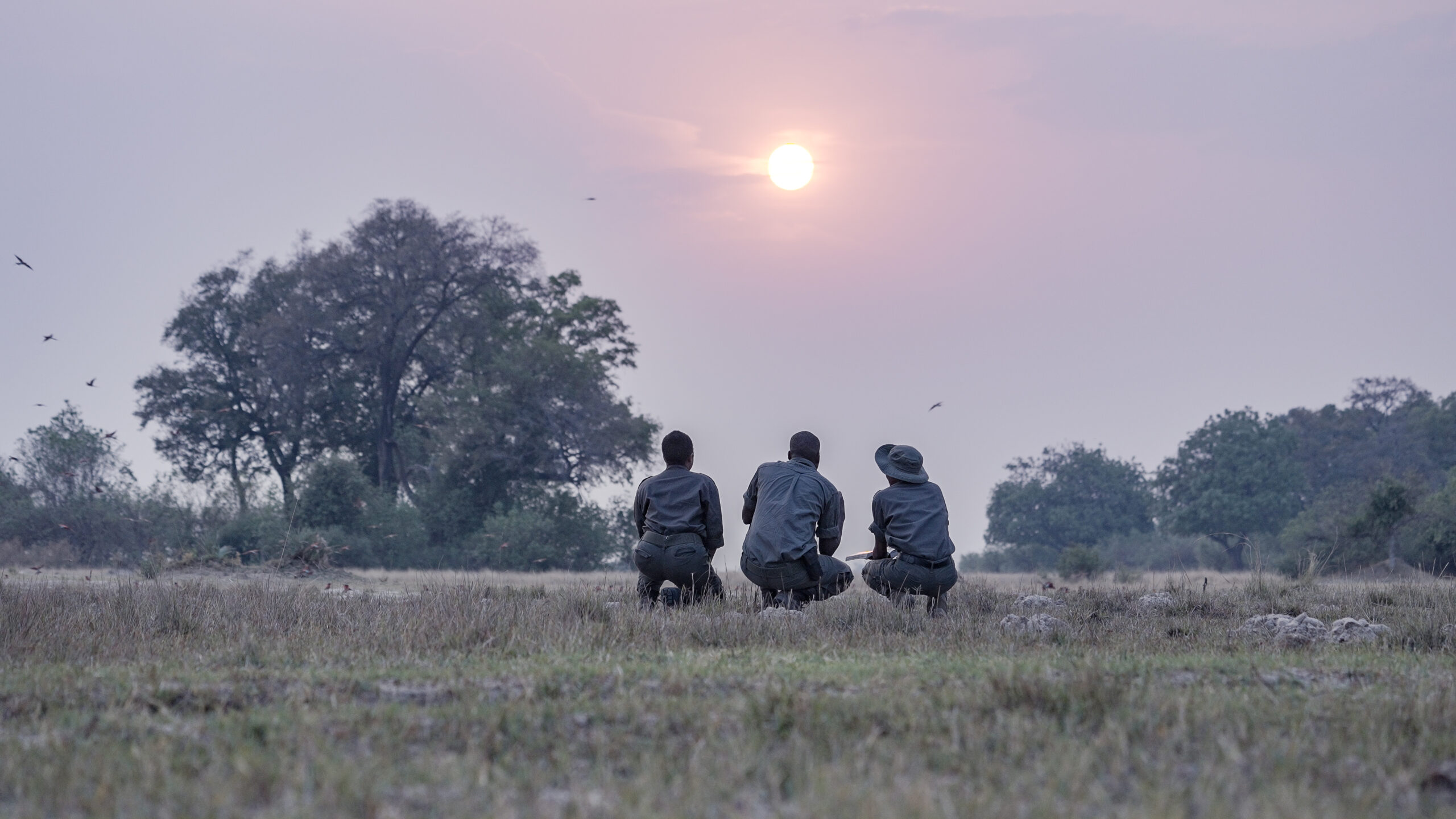
For those who spend every day walking Africa’s wild places, conservation is not an abstract idea. It is something they live. Something they protect. Something they believe every person has a role in.

Nature is life
Repeatedly, one clear message stands out: Nature is not separate from us; it is part of us. For Wildlife Ranger Shaka from Botswana,
“Nature is life because it gives us everything we need. The oxygen we breathe comes from the trees surrounding us. The animals we protect are part of nature. Everything, from the houses we own, comes from nature.”
Wildlife Ranger Keotshephile from Botswana shared a remarkably similar reflection.
“Nature gives life to everything, to animals, to people, and to our culture. Without healthy land, water, and wildlife, communities cannot thrive.”
Wildlife Ranger Trainee Charity from Botswana described nature in one word:
“Life.”
She explains:
“Nature is the foundation of all life. It provides a home for wildlife, supports communities, and creates the balance that allows living things to exist and thrive.”
Although our Wildlife Rangers come from different backgrounds, landscapes, and countries, their experiences all point to the same understanding. Nature is the living system that connects and sustains us all.
Conservation is about people too
Conservation should encompass a holistic perspective, focusing on both people and wildlife to restore harmony between humanity and nature. Our team understands it in this broader sense.
Tiroyamodimo from Botswana believes conservation begins with responsibility.
“Conservation means responsibility. It means protecting wildlife, respecting communities, and making sure we use resources wisely. Conservation is not just about animals; it’s about people too. When communities benefit, wildlife is safer.”
Growing up along the Okavango Delta in Botswana influenced Gakenaope’s understanding of conservation.
“Nature conservation is important to me because it protects wildlife, preserves biodiversity, and keeps ecosystems healthy. It also ensures that future generations can enjoy and learn from the beauty of nature while benefiting from it.”
For Olivia from Zimbabwe, protecting biodiversity and supporting communities cannot be separated.
“Nature conservation means safeguarding the future for both wildlife and people. Working in conservation has taught me that healthy ecosystems support livelihoods, provide clean water, protect biodiversity, and strengthen communities.”
Across every landscape, one lesson that repeats itself is that when nature thrives, people thrive too.
 Seeing connections others may not
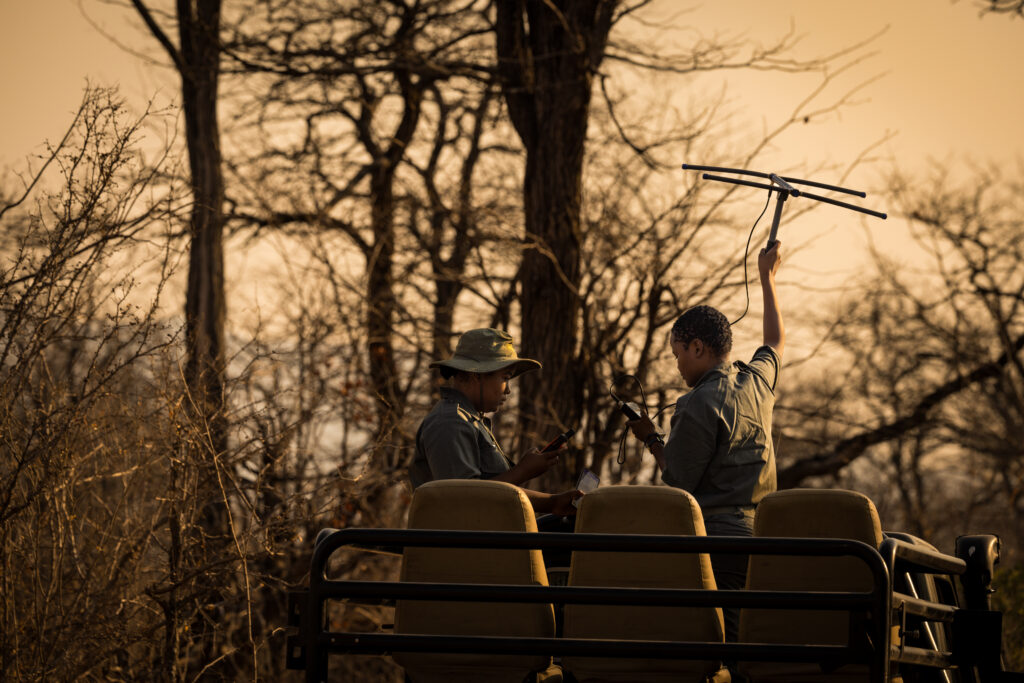
Working in conservation changes the way you see the world.
Wildlife Ranger from Botswana, Kebareeditse describes one of the biggest changes in perspective.
“Nature is alive. Nothing in nature stays static, it is where life starts and keeps going. Personally, nature conservation means keeping the world alive. I started to see behaviour not just a species. Everything is connected. People are part of nature also.”
That shift, from seeing individual animals to understanding entire ecosystems, is something every ranger learns.
For Keotshephile, conservation has become about noticing the smallest details.
“Working as a ranger has changed how I see things. I now pay attention to small details like tracks, water, and how animals behave…When communities understand and benefit from conservation, wildlife has a better chance.”
Rangers understand that every track tells a story.
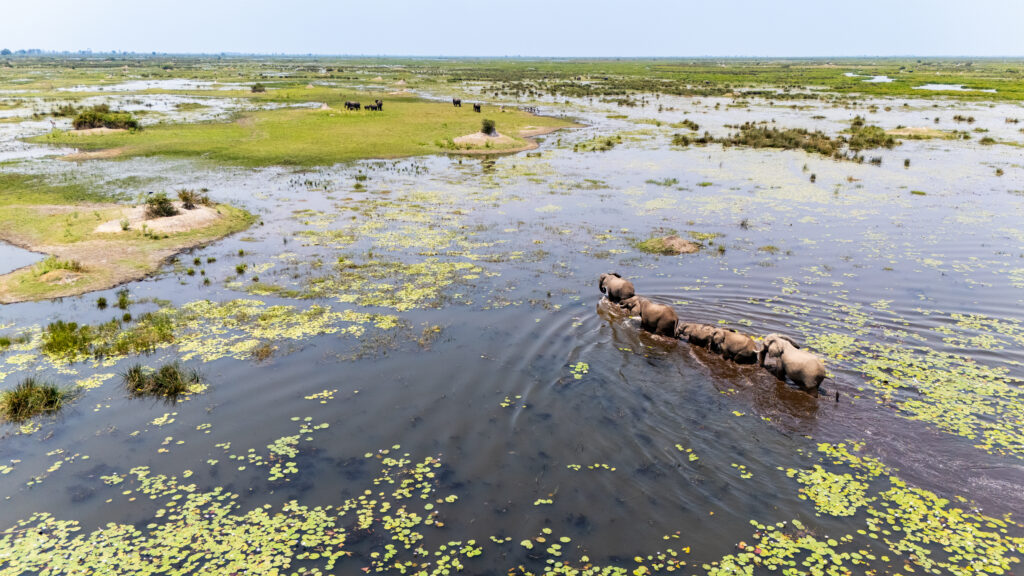
Every river supports countless forms of life.
Every healthy habitat supports communities, livelihoods, biodiversity and the future.
It is this ability to see connections that makes conservation so much more than protecting individual species.
Protecting tomorrow begins today
Nearly every Ranger we spoke with mentioned future generations.
For Baitshwenyi, conservation simply means:
“Serving for future generations.”
Shaka reflects on how conservation has shaped his own life.
“I have learnt that conserving our wildlife has a great impact in our lives… I have learnt to protect it for our future generations so that they experience what I have experienced.”
Charity shares the same hope.
“Protecting nature is everyone’s responsibility. Every action matters, and by caring for the environment today, we help secure a future where wildlife, communities, and ecosystems can continue to thrive.”
For Keotshephile, conservation is a responsibility.
“To me, nature conservation means responsibility. It means protecting today so that tomorrow’s children can also experience wildlife.
Whether they have spent a decade in conservation or only a few months, each person speaks about the future with the same understanding and determination.
The greatest lesson conservation teaches
Perhaps the greatest lesson wasn’t about wildlife or people alone. It was about the relationships that exist between them.
Rachel, Team Leader in Zimbabwe, says conservation has shown her:
“How closely wildlife, communities, and the environment are connected… effective conservation depends on collaboration, commitment, and the collective efforts of everyone involved.”
That idea echoes throughout every interview and discussion.
No ranger talks about working alone. No ranger talks about protecting wildlife without people. Instead, everyone emphasises teamwork, communities, education, and shared responsibility.
Because protecting nature has never been the responsibility of Wildlife Rangers alone.
It belongs to all of us.
 To learn more about Great Plains Foundation’s Wildlife Ranger Programme or to find out how you can support our conservation work, please contact us at info@greatplainsfoundation.org.
