


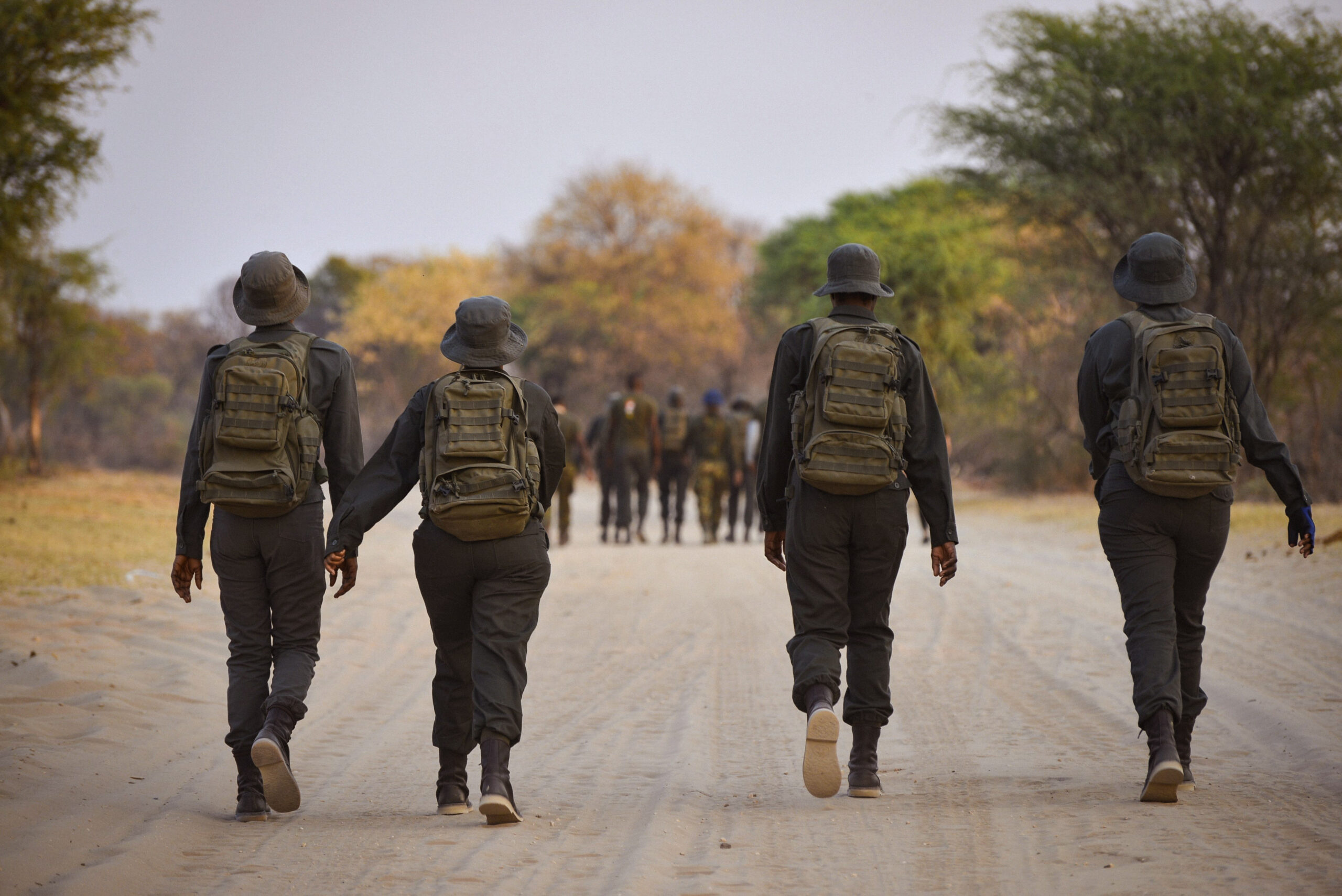
Every Day in Service of Nature
Celebrating World Ranger Day 2026
Before the first light reaches the Okavango Delta. Before elephant herds begin their daily movements across Zimbabwe’s Sapi Reserve. Before schools open, researchers head into the field, or visitors set out on safari, Wildlife Rangers are already at work.
Across Africa, these early mornings begin much the same way. Boots are laced, radios are checked, patrols are planned, and another day dedicated to protecting nature begins.
World Ranger Day, observed each year on 31 July, honours the men and women whose knowledge, professionalism and commitment safeguard some of the world’s most important landscapes. At Great Plains Foundation, it is an opportunity to reflect on the many different roles wildlife rangers play in modern conservation and the lasting impact they have on wildlife, ecosystems and the communities that depend on them.
A changing role in conservation
The role of a Wildlife Ranger has evolved considerably over the past decade.
Today, a Biodiversity & Wildlife Ranger may spend the morning tracking elephant movements using satellite technology, assist researchers monitoring painted dogs in the afternoon, collect biodiversity data before sunset, and later attend community meetings or mentor the next generation of conservationists. Others are learning new software to analyse ecological data, undertaking university studies, completing leadership training or strengthening emergency response skills.
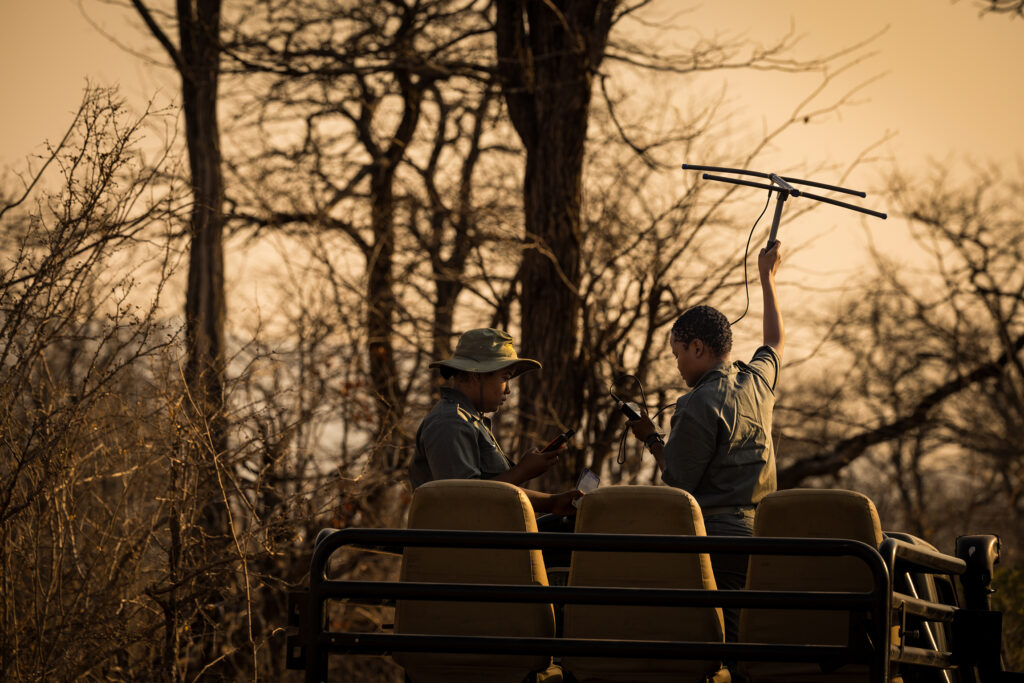
Great Plains Foundation Female Rangers with telemetry
Conservation increasingly depends on science, collaboration and continuous learning, and wildlife rangers are at the centre of that work.
Throughout the first quarter of 2026, Great Plains Foundation continued investing in this professional growth. Across Botswana and Zimbabwe, 36 rangers participated in capacity-building initiatives, from First Aid and specialised conferences to data analysis training, while teams strengthened fitness through organised marathon events. Rangers also continued daily ecosystem monitoring, supporting research on elephants and painted dogs, while technologies such as EarthRanger further enhanced real-time wildlife monitoring and coordinated field operations.
Investing in people strengthens conservation
At Great Plains Foundation, supporting Wildlife Rangers has always meant investing in people as much as landscapes. Conservation depends on knowledgeable, well-equipped and well-supported teams working alongside local communities, scientists and conservation partners to protect the ecosystems upon which wildlife and people depend.
That belief also inspired the creation of the Foundation’s Female Ranger Programme.
As Beverly Joubert explains:
“We started the Female Ranger Programme to create meaningful opportunities for women but also to develop ambassadors back home in villages. By training women as biodiversity monitors and conservation leaders, we can protect wildlife, empower communities, challenge gender stereotypes, and inspire the next generation of young girls.”
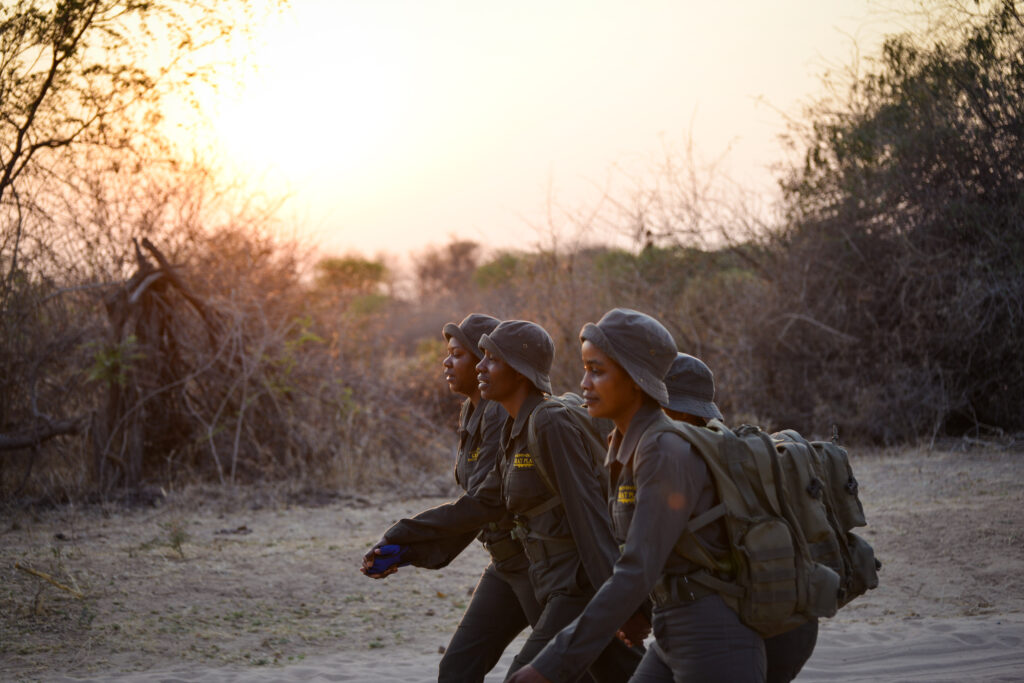
Today, the programme has grown into far more than a training initiative. Across Botswana and Zimbabwe, Great Plains Female Rangers are monitoring biodiversity, supporting ecological research, contributing to wildlife management and continuing their own professional development through university studies, leadership training and operational experience. During the first months of 2026, members of the Zimbabwe team advanced their studies in wildlife ecology, conservation, strategic management and sustainable livelihoods, while Botswana’s female rangers participated in leadership workshops, operational rotations and administrative training that broadened their experience beyond the field.
Reflecting on the programme’s origins, Dereck Joubert adds:
“Protected areas have their own challenges and stories to tell, but we wanted to add to those stories and, in many ways, overlay the story of women in Africa. We had units already in place, but when we were going to increase those complements and needed to gear up, we selected female rangers to add to the teams.”
“Conservation areas need boots (and eyes and ears) on the ground… And there is no reason at all that women should not be given equal opportunities to protect wildlife.”
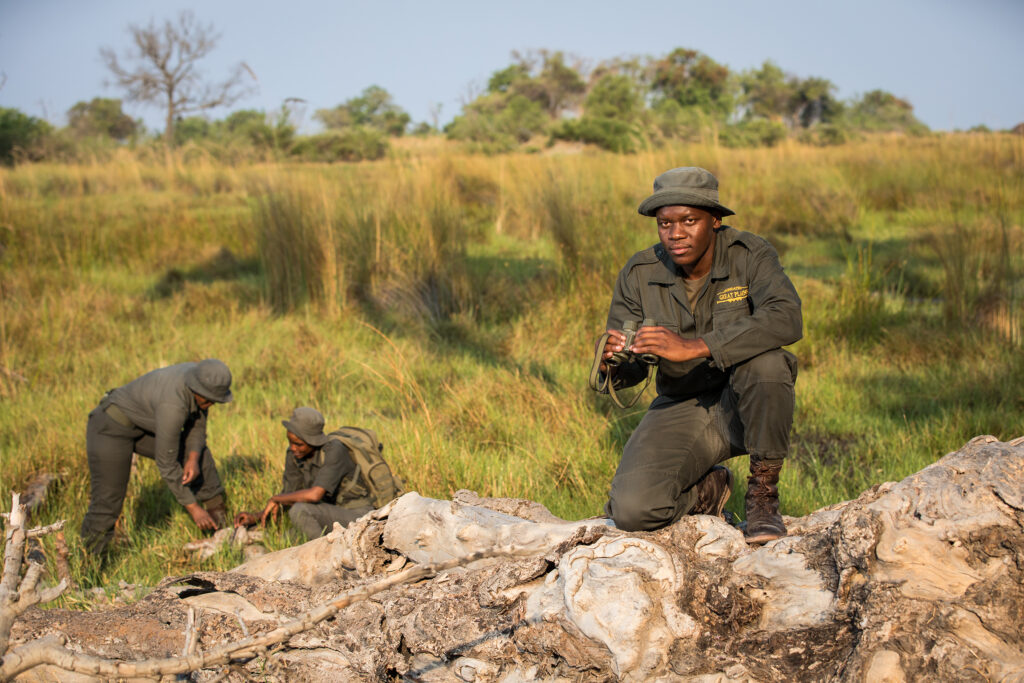
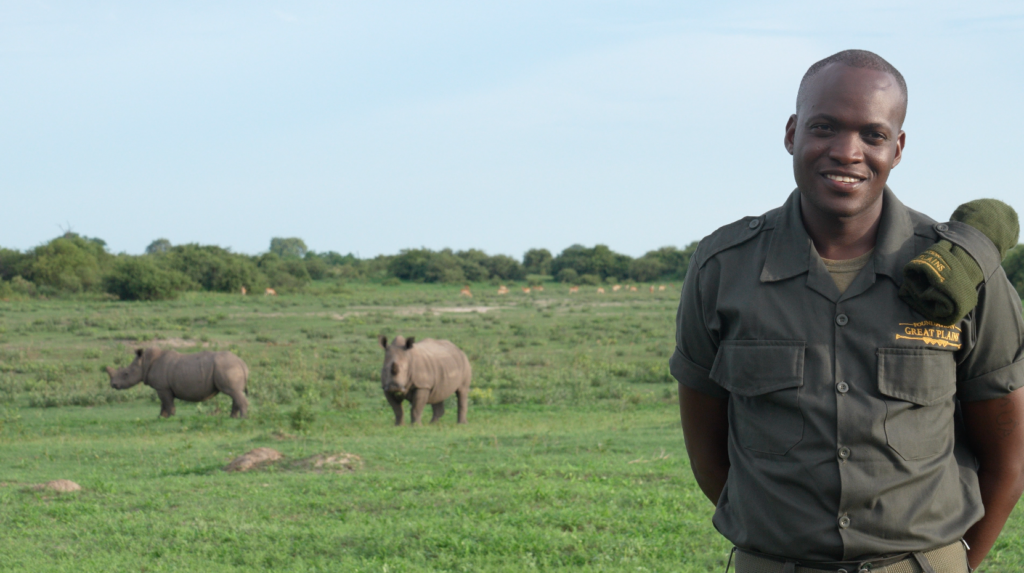
Great Plains Foundation Wildife Rangers
Project Ranger Grant Programme
Investing in wildlife rangers extends beyond Great Plains Foundation’s own conservation landscapes.
In 2020, as the COVID-19 pandemic brought tourism across Africa to a standstill, protected areas faced an unprecedented challenge. Rangers continued protecting wildlife, responding to conservation threats and maintaining a constant presence in vulnerable ecosystems, despite significant reductions in tourism revenue that supported many frontline conservation operations.
Project Ranger was established as an emergency response to help ensure those efforts could continue.
Working alongside partner organisations across Africa, the programme provides grant funding to NGOs specialising in frontline conservation and anti-poaching. These grants support the essential resources that keep ranger teams operating, including salaries, fuel, rations, medical supplies, equipment, training and logistical support. By strengthening ranger welfare and operational capacity, Project Ranger helps reinforce the foundation upon which effective wildlife conservation depends.
What began as an urgent response has grown into a long-term conservation programme.
Since its inception, Project Ranger has awarded 46 grants, supported 24 conservation organisations, and invested in frontline conservation across 10 African countries.
One recent example comes from Zambia, where Project Ranger continues to support Conservation Lower Zambezi (CLZ). During the first quarter of 2026 alone, CLZ patrol teams completed 375 person-days of patrol, covering more than 1,000 kilometres; these efforts have deterred poachers while protecting elephants, lions, leopards, African wild dogs and numerous other species throughout the Lower Zambezi ecosystem.
Conservation professions built on a shared purpose
Wildlife conservation is built on partnerships.
Researchers, local communities, governments, conservation organisations and wildlife rangers all contribute unique knowledge and experience toward a shared purpose. Rangers are often the constant presence connecting these efforts, collecting data that informs scientific research, supporting wildlife monitoring, responding to emerging conservation challenges and maintaining relationships with neighbouring communities.
That same spirit is reflected each year in the Wildlife Ranger Challenge, which brings together hundreds of ranger teams from across Africa in a series of physical and knowledge-based challenges that celebrate professionalism, teamwork and dedication while raising vital support for frontline conservation. Since 2020, the initiative has become an important platform for recognising wildlife rangers and strengthening their wellbeing, training and long-term professional development.
This September, sixteen Great Plains Foundation Wildlife Rangers from Botswana and Zimbabwe will proudly take part in the 2026 Wildlife Ranger Challenge, representing not only their own teams, but also the thousands of wildlife rangers working across Africa every day.
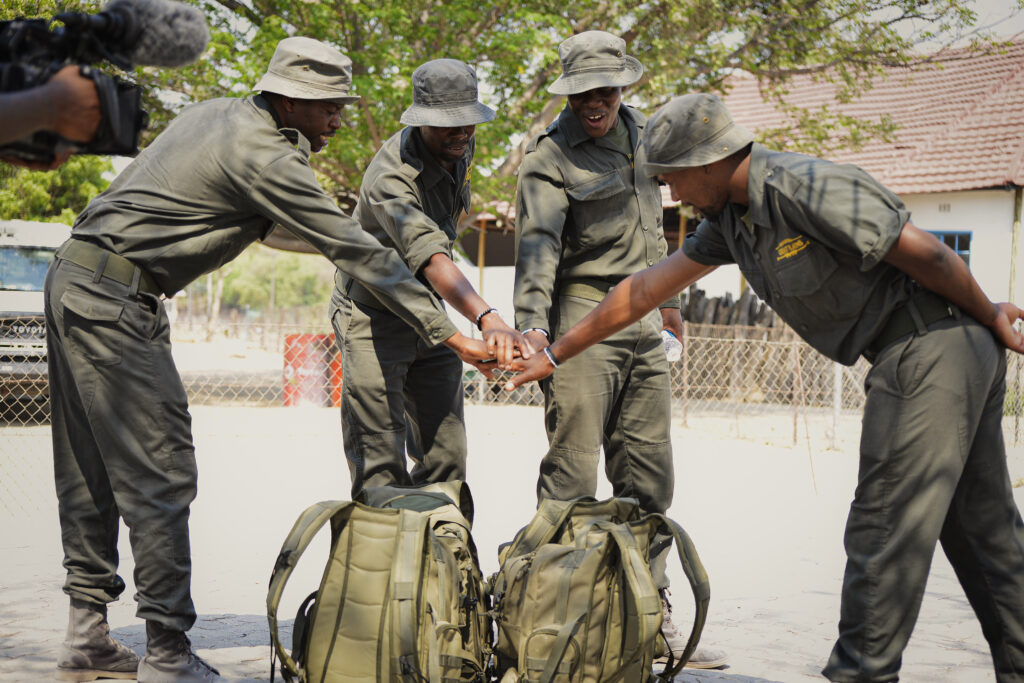
Great Plains Wildlife Rangers after completing the 2025 Wildlife Ranger Challenge. ©Tahlia Naledi Khama
Healthy ecosystems, thriving wildlife populations and resilient communities are the result of many people working together over time. Among them are Wildlife Rangers whose dedication, knowledge and professionalism continue to strengthen conservation across the continent.
On this World Ranger Day, Great Plains Foundation celebrates wildlife rangers across Africa and remains committed to investing in the people helping protect wildlife, advance conservation science and build a future where nature and communities continue to thrive together.
To learn more about Great Plains Foundation’s Wildlife Ranger Programme and Project Ranger Grant Programme, or to explore how you can support frontline conservation across Africa, please contact info@greatplainsfoundation.org.
